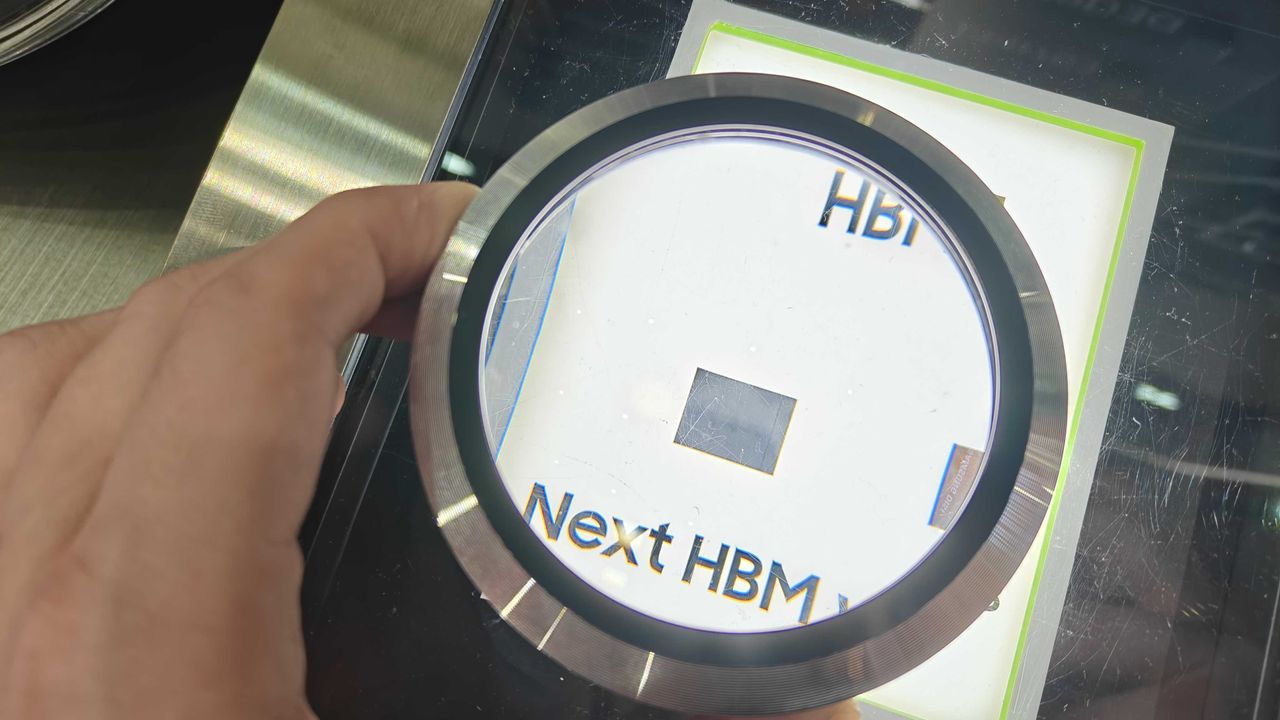
SAMSUNG JUST BROKE THE PHYSICS OF WORKSTATIONS: The HBM5 Leak That Makes H100s Look Like Toaster Ovens
Stop everything. If you are building a high-end workstation in 2024, the specs you just saved are already obsolete. Samsung has dropped a bombshell that isn't just an update—it’s an extinction event for current GPU architecture. We are not talking about a 10% bump. We are talking about a 2x performance leap over the already monsterous HBM4E.
The numbers are bleeding out of the rumor mill, and they don’t make sense—until you look closer. To hit these data transfer rates, the industry giants are allegedly pointing to a 4,096-bit interface. That is INSANE. For context, current high-end chips are struggling to cross 1,024-bit thresholds. Doubling that width isn't just engineering; it's a war against heat, power consumption, and physical space.
Imagine plugging this into a dual-socket Threadripper platform. The bandwidth bottleneck that has held back AI inference and local LLMs for years? Gone. Erased. This isn't just faster storage; this is a neural interface for your hardware. If Samsung actually pulls this off, the price of entry for 'true' AI computing drops from $20,000 to a range that makes enterprise CIOs weep with joy.
But here is the cliffhanger that keeps engineers up at night: Can the silicon even handle it? A 4,096-bit interface requires a density of interconnects that might shatter traditional packaging standards. If they succeed, they don't just have a new chip; they have a monopoly on the future of workstation tech. The race is no longer on. It's over. And Samsung is holding the trophy.