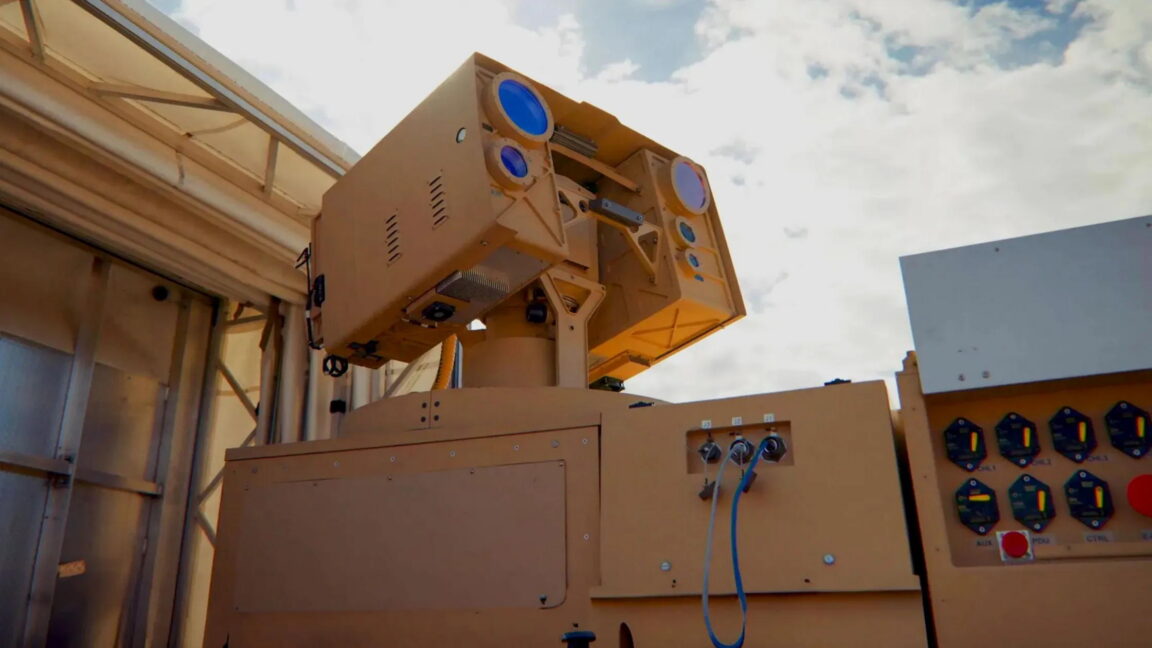
ARMY'S 20KW LASER JUST BROKE EVERY DRONE RULE: The Hardware Hack That Kills Silicon!
You thought 4K monitors and RTX 4090s were the peak of workstation tech? Look again. The US Army just deployed a 20-kilowatt powerhouse that doesn't just beat your GPU—it vaporizes the competition physically. This isn't software; it's raw, blazing hardware physics.
Three drones. One laser. Zero bullets. The system utilized a ground-based high-energy laser to disable unmanned aerial vehicles in under two seconds. For hardware enthusiasts, this signifies a shift from electronic warfare to thermal destruction, a cool factor that outpaces any liquid cooling loop we've seen.
Why does this matter for your desktop? It signals the rise of directed energy as a component. Imagine a 'laser-assisted' processing unit or direct-energy cooling systems. The integration of high-power photonics into tactical hardware is bleeding into civilian workstation architectures, promising heatsinks that literally evaporate heat.
The 20kW output is the key. It’s not just about brightness; it’s about power density. This breakthrough proves that scalable, rack-mounted laser arrays are viable. Tech giants are already circling. The next 'gaming rig' might just have a direct-energy defense module attached to the PSU.
This is the end of passive insulation. The future of high-performance computing is active, thermal, and lethal. The Army didn't just shoot down drones; they shot up the value of photonics in every tech stack. Are your workstation components ready for the heat?