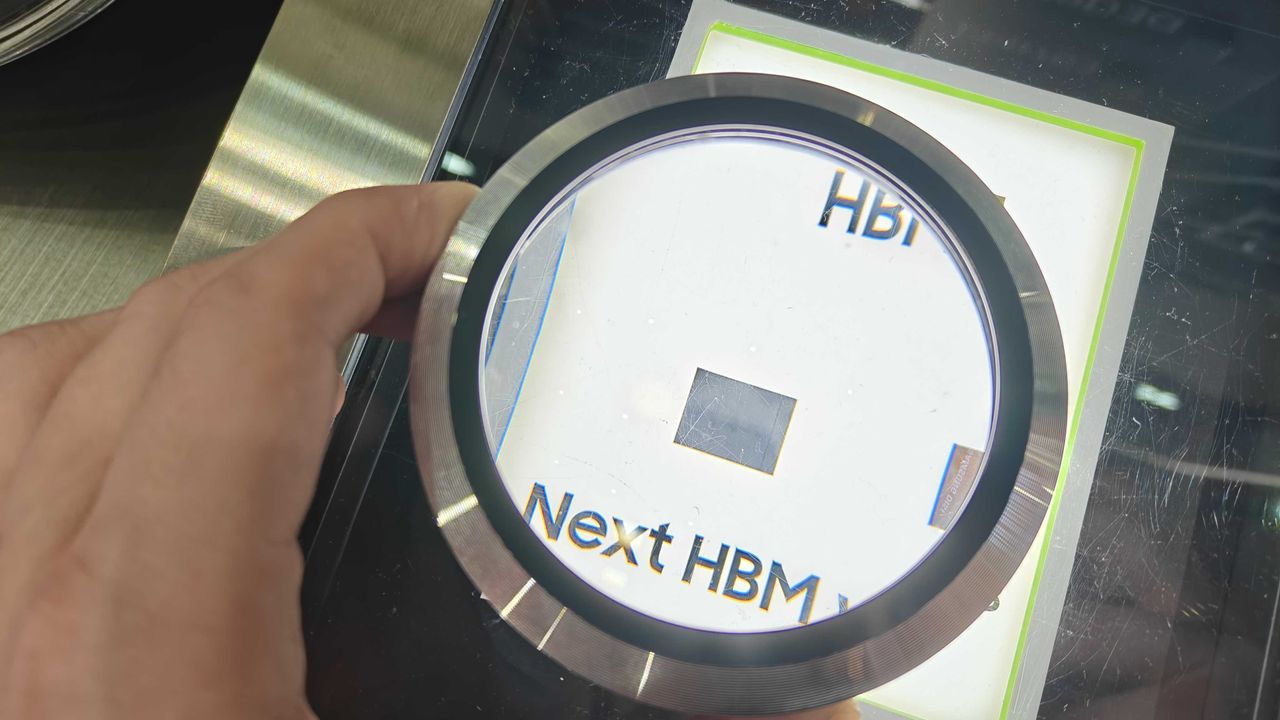
Samsung's HBM5 Leak: 2x HBM4E Speed? 4,096‑bit Interface—Workstation Tech Could Never Be the Same!
Samsung just dropped a bombshell—an HBM5 memory chip that promises double the bandwidth of HBM4E and might feature a 4,096‑bit interface. The tech community is already buzzing; if true, it could redefine workstation performance overnight.
Rumors point to a 4,096‑bit bus, a staggering leap that would make current 512‑bit interfaces look like a relic. How would this change the way we build GPUs and AI accelerators? The answer could shake the entire industry.
Industry analysts warn that such a jump might require new cooling tech, power delivery, and even PCB designs. Are manufacturers ready? Or will this be a costly, delayed rollout?
The big question: will Samsung deliver this on schedule, or is it a marketing ploy to keep competitors on their toes? Stay tuned for the next reveal—this could be the most disruptive hardware shift since the launch of the first GPU.
If the HBM5 arrives, we’re staring at a new era of machine learning, 3D rendering, and scientific simulations. The possibilities are limitless, but the risks are high. Will it revolutionize or just add to the tech overload?