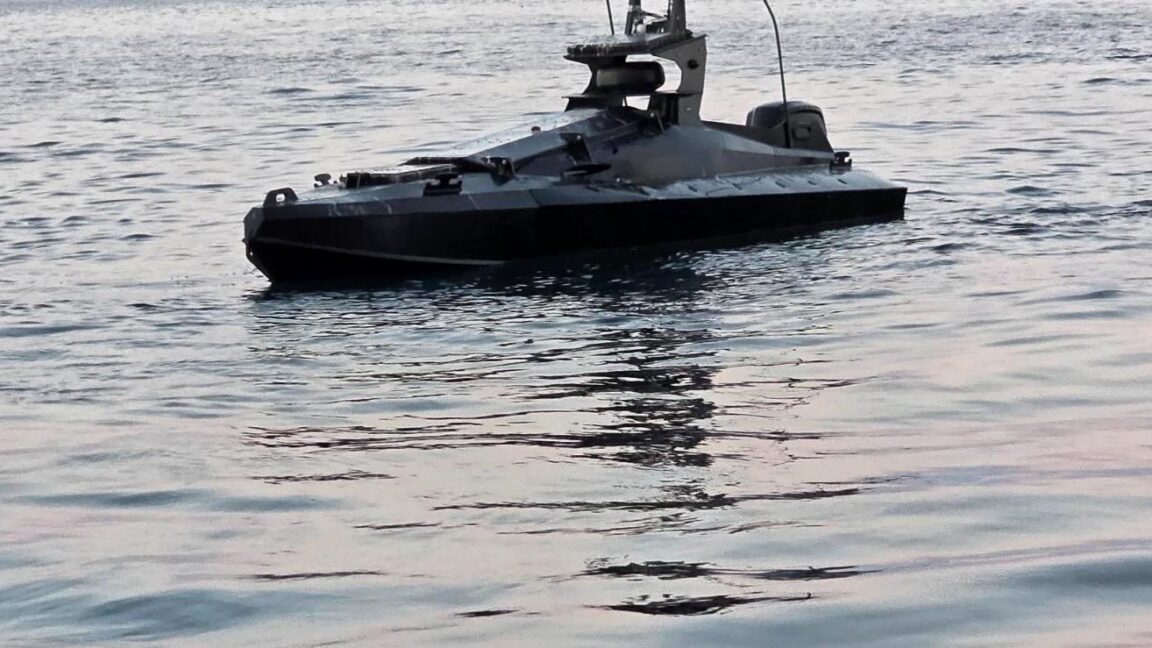
The $400 'Workstation' Drone Boat That Broke $50M Fighter Jet Protocols: Hardware Hack Exposed
You thought your $3,000 gaming rig was overkill? Think again. A Russian drone boat, cobbled together from consumer-grade hardware, just forced NATO to pull fighter jets off their ground to stop it from breaching a European gas platform.
The specs are terrifyingly simple: no custom chips, no aerospace-grade batteries, just raw, iterated consumer tech. It’s the ultimate 'workstation' hack, proving that hardware innovation isn't about the price tag—it's about the architecture.
NATO’s air defense systems, designed to track missiles with radar cross-sections the size of cars, struggled against a low-altitude, low-power node. The 'processor' driving this? A repurposed industrial controller running open-source firmware. It’s the most efficient hardware loop ever deployed in modern conflict.
This isn't just a boat; it’s a proof of concept for distributed edge computing on the water. When a $5M jet needs to shoot down a device costing less than a high-end monitor, the tech industry is in crisis. The hardware barrier to entry has just collapsed.
Experts are calling it the 'Raspberry Pi of Warfare.' The lesson for every hardware engineer? Stop optimizing for power efficiency. Start optimizing for survival. The next viral tech leak won't be a new GPU—it’ll be the circuit diagram for this autonomous hunter.