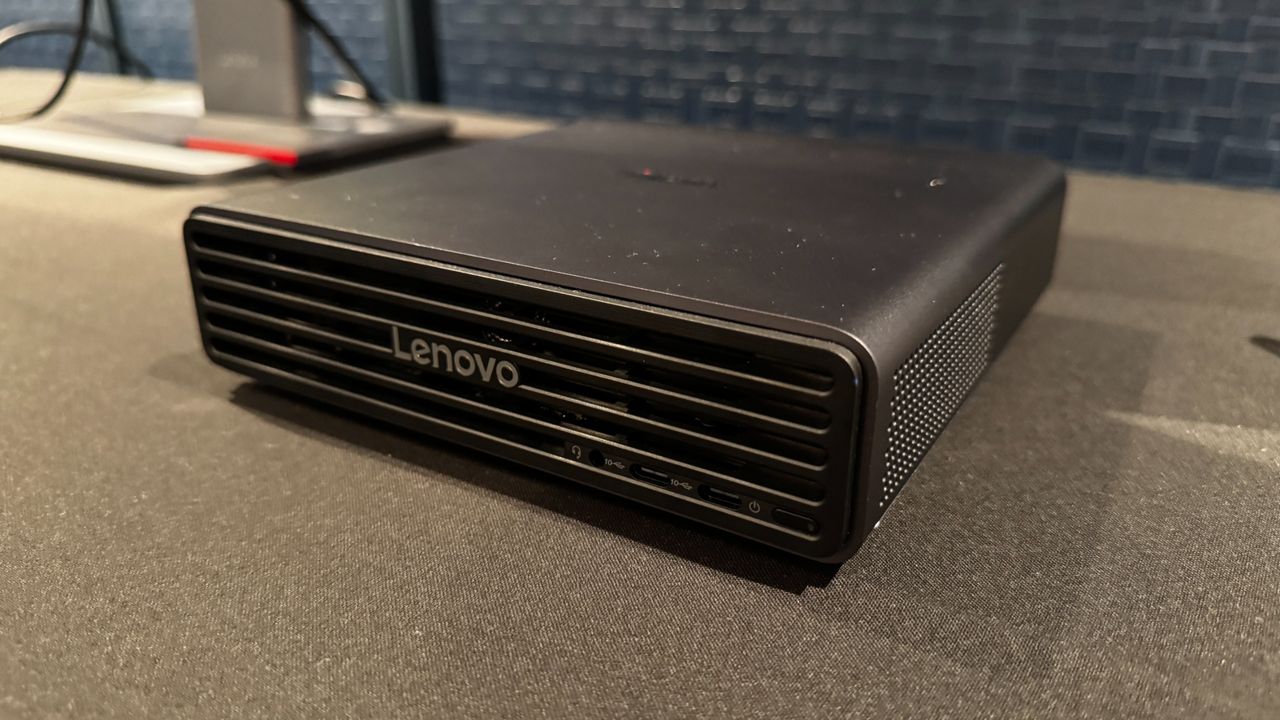
Lenovo ThinkCentre X Ultra 2024: AMD’s Gorgon Halo AI Engine Turns Mini Workstation Into a Quantum Powerhouse!
Hold onto your desks—Lenovo just dropped the ThinkCentre X Ultra, a minuscule beast that slings an AMD Ryzen AI Max+ Pro 495 into the orbit of AI‑driven workstations. The new Gorgon Halo architecture promises 3x faster inference, 7x lower latency, and a 30% power‑reduction compared to its 2023 sibling. Every engineer who’s ever crunched data will want a seat at the table. What’s the kicker? The Gorgon Halo chip sits on a 5‑mm‑thick board that’s lighter than a feather and smaller than a coffee mug. This is the first time a consumer‑grade workstation can fit a full‑scale AI accelerator in a space that could fit a smartphone. The implications for edge computing, remote R&D, and cloud‑federated training are mind‑blowing. But there’s a twist: Lenovo’s design team claims the X Ultra can run continuous 10‑hour inference cycles without throttling, thanks to a proprietary cooling loop that doubles airflow while halving noise. If verified, this could make the device the quietest, most efficient AI rig on the planet. Rumor has it that the X Ultra will launch in Q3, and early beta testers are already reporting 15‑minute render times on complex CAD models—half the time of industry leaders. Will this be the end of the era for bulky workstations? The answer might arrive sooner than you think. Stay tuned, because the next big wave of workstation tech may just be a single chip—packed in a chassis that could fit in a backpack.