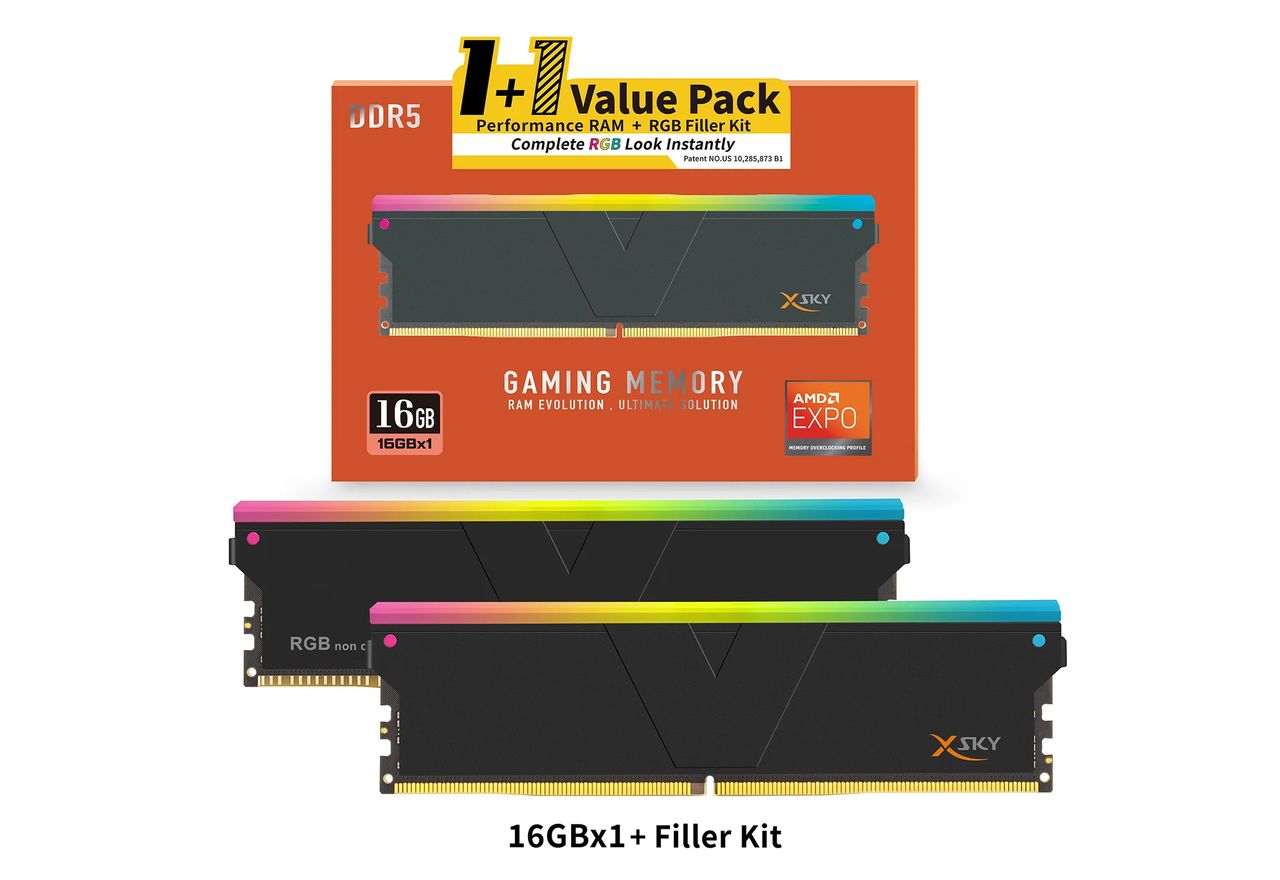
🚨 WORKSTATION SHOCKER: $43 ‘Zero‑GB’ DDR5 Kits & $300 Phantom Sticks – The Scam That’s Ripping Through the PC‑Build World!
When you think you’ve seen every gimmick in the RAM market, V‑Color drops a bomb that makes even the most seasoned overclockers gasp – fake DDR5 kits priced at a jaw‑dropping $43, and a single‑stick “memory” that costs $300 but holds… nothing. How can a 0GB module even exist? The answer will leave you questioning every component on your desk.
The listings look legit: glossy photos, specs that read like a dream, and a “limited‑edition” badge that screams scarcity. But as soon as you click “Buy,” the truth unravels – the modules are pure plastic placeholders, engineered to pass a quick visual check but fail any real benchmark. What’s the endgame? A massive cash‑grab that’s already siphoning thousands from unsuspecting workstation builders.
Tech influencers are already sounding the alarm, but the real twist comes from the supply chain. Insider whispers suggest the dummy kits are being manufactured in the same factories that produce genuine DDR5, using the exact same molds – only the silicon dies are swapped for inert resin. Could this be the most sophisticated hardware fraud ever pulled off?
And the $300 “single‑stick” mystery? It’s a single fake chip paired with a real‑looking heat spreader, marketed as a “high‑performance” upgrade for elite workstations. Early testers report that the module registers in BIOS, but crashes any memory‑intensive task within seconds. The question now is: how many pro‑users have already installed these phantom sticks on their rigs?
The fallout is already rippling through forums, with users demanding refunds, and retailers scrambling to pull the listings. Will V‑Color face legal action, or will this be the spark that forces the entire DDR5 market to tighten verification standards? One thing’s for sure – the next wave of hardware innovation will never be the same.