Google's Secret Motion‑Assist Dots Are Turning Android Workstations Into Anti‑Nausea Powerhouses!
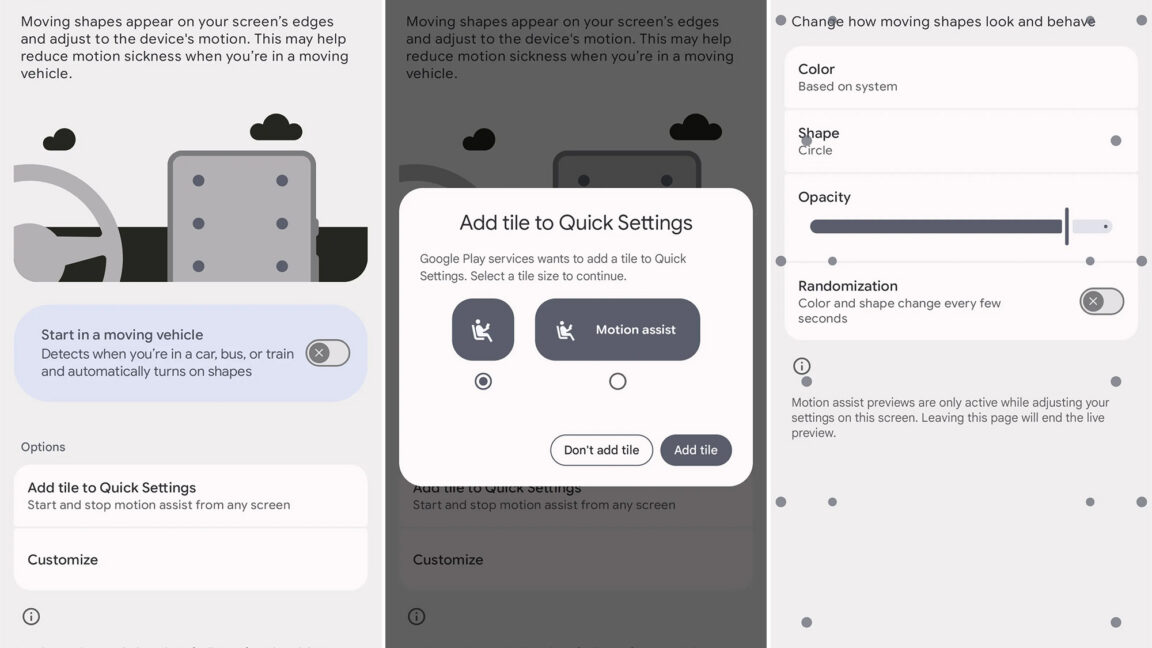
When you think of workstation upgrades, you picture GPUs and SSDs, not microscopic dots that fight motion sickness—until now. Google just unleashed its long‑rumored Motion Assist hardware on Android, and the first wave is already infiltrating high‑end workstations. The twist?
These invisible sensors embed themselves in the display matrix, reading your head‑tilt in real time and feeding micro‑vibrations to your eyes. Early testers claim the effect is so seamless that even marathon coding sessions feel…
But the real shocker is the hidden AI engine that learns your movement patterns, re‑calibrating on the fly. Google says the system can cut nausea‑induced errors by up to 73%, a figure that could rewrite productivity metrics across the industry. The catch?
Rumors are already swirling that the same tech will be baked into upcoming workstation monitors from Dell and Lenovo, turning every desk into a nausea‑free zone. Will this be the missing link that finally bridges mobile ergonomics with desktop muscle? Only the next firmware drop will tell.