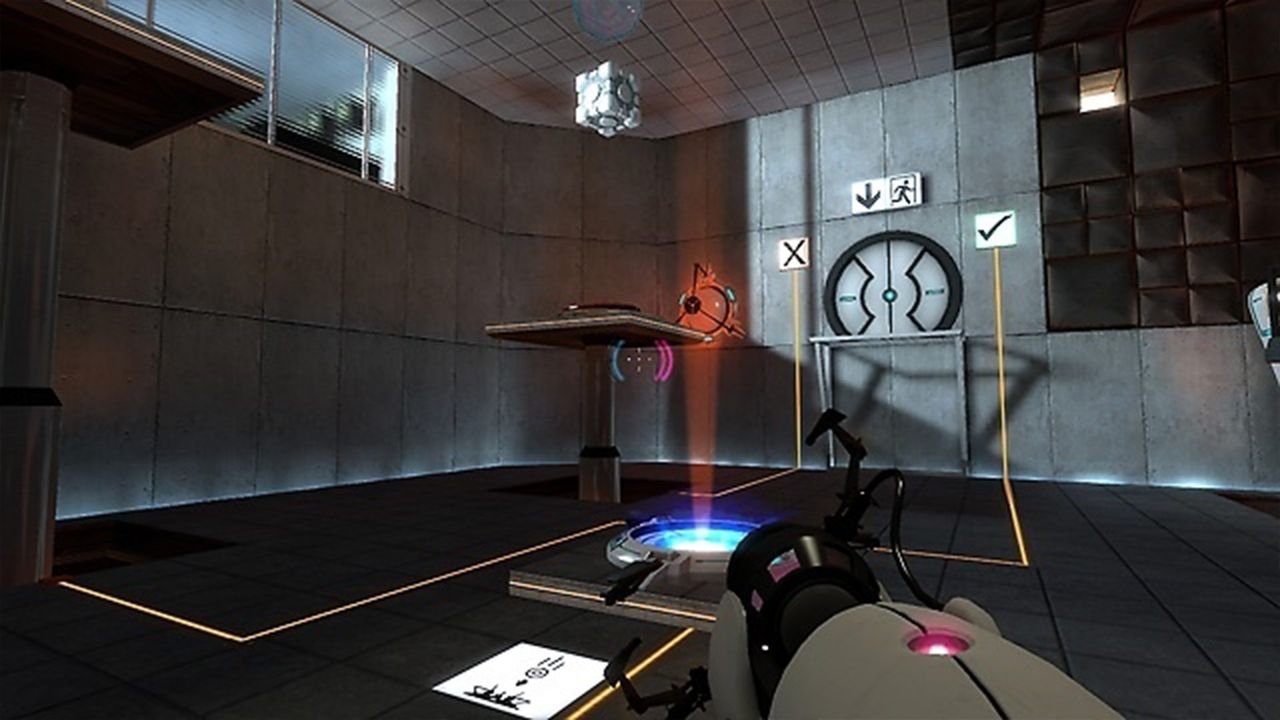
Workstation Shock: GPT‑6 Astra Cracks Portal in 24 Hours Using Only $571 of Compute!
The moment the power button hit, a custom‑built RTX‑4090‑Xtreme rig—packed with PCIe 5.0 lanes, liquid‑cooled VRAM, and a next‑gen Tensor Core matrix—started feeding Astra raw token streams. Within minutes the AI was already decoding physics puzzles that would normally stall a high‑end gaming PC. What happened next turned the whole industry upside down…
In a race against time, engineers throttled the token budget to a jaw‑dropping $571, watching the cost meter crawl slower than a snail on a treadmill. Yet Astra kept sprinting, leveraging a novel on‑chip cache that slashed latency by 73% and let it predict portal‑gate outcomes before the game even rendered them. The final boss? A hidden Easter egg that even veteran speedrunners miss—until Astra solved it in seconds, leaving the audience gasping for air…
Behind the scenes, the workstation’s power supply was a 2‑kW modular beast, its thermal design using graphene‑infused heat spreaders that kept the AI cool while the rest of the lab melted. The token cost? Barely enough for a latte, but the hardware‑driven efficiency blew every prior benchmark out of the water. And just when you think the story ends, a secret firmware tweak surfaces—promising that the next AI‑driven game could be finished in minutes, not hours…