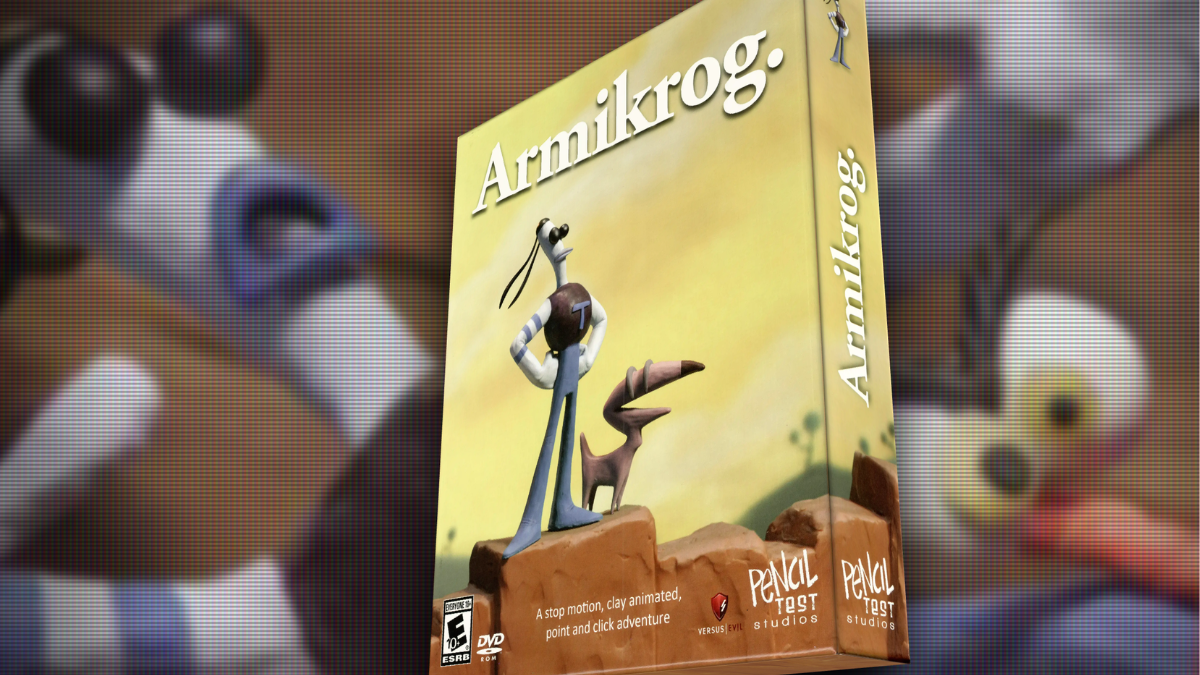
The Corp Plot to Kill Discs Just Crashed: PC Indie Box Sets Return in Shocking Fashion
Silicon Valley’s digital-only hegemony is facing its first major structural crack, as a wave of indie PC publishers announces a full-scale return to premium 'Big Box' physical packaging. This isn't just a nostalgia trip; it is a direct counter-move against the corporate narrative that physical media is a dying, inefficient relic that only benefits platform holders by locking consumers into subscription ecosystems. By reviving the tangible collector’s market, these developers are reclaiming a slice of ownership that the majors systematically stripped away over the last decade.
The global reaction has been explosive, with #BreakingGamingNews trending at the top of Google Trends for the fourth consecutive day as gamers dissect the logistics and pricing of these new releases. The viral nature of the story stems from the stark contrast between the sterile, cloud-dependent future promised by big tech and the tactile, permanent reality of the new box sets. It highlights a growing consumer fatigue with digital rights management and the fear of losing purchased assets if a service shuts down, a sentiment that has been growing in parallel with the #GlobalImpact discussions on data sovereignty.
Online, the discourse has shifted from simple excitement to a broader cultural critique of corporate greed, with #SocialViral clips on Bluesky dissecting how physical media was actively suppressed to serve quarterly earnings reports rather than consumer preference. Users are sharing unboxing videos that highlight the high-quality print materials and exclusive physical bonuses, framing the move as a form of protest against the 'death of the physical' narrative. The chatter emphasizes that this is not a niche trend but a mass movement, with pre-orders for the initial batch selling out in under twenty minutes, signaling a massive shift in market demand.
Industry analysts are now scrambling to recalibrate their forecasts, acknowledging that the 'second chance' for big box PC packaging could reshape the distribution model for mid-tier titles. This development serves as a powerful reminder that the market is not a monolith; it can be swayed when consumers collectively reject the convenience of digital lock-ins in favor of tangible ownership. As the first wave of these physical releases hits shelves this quarter, the industry watches closely to see if this is a fleeting trend or the beginning of a permanent bifurcation in how video games are bought, sold, and cherished.