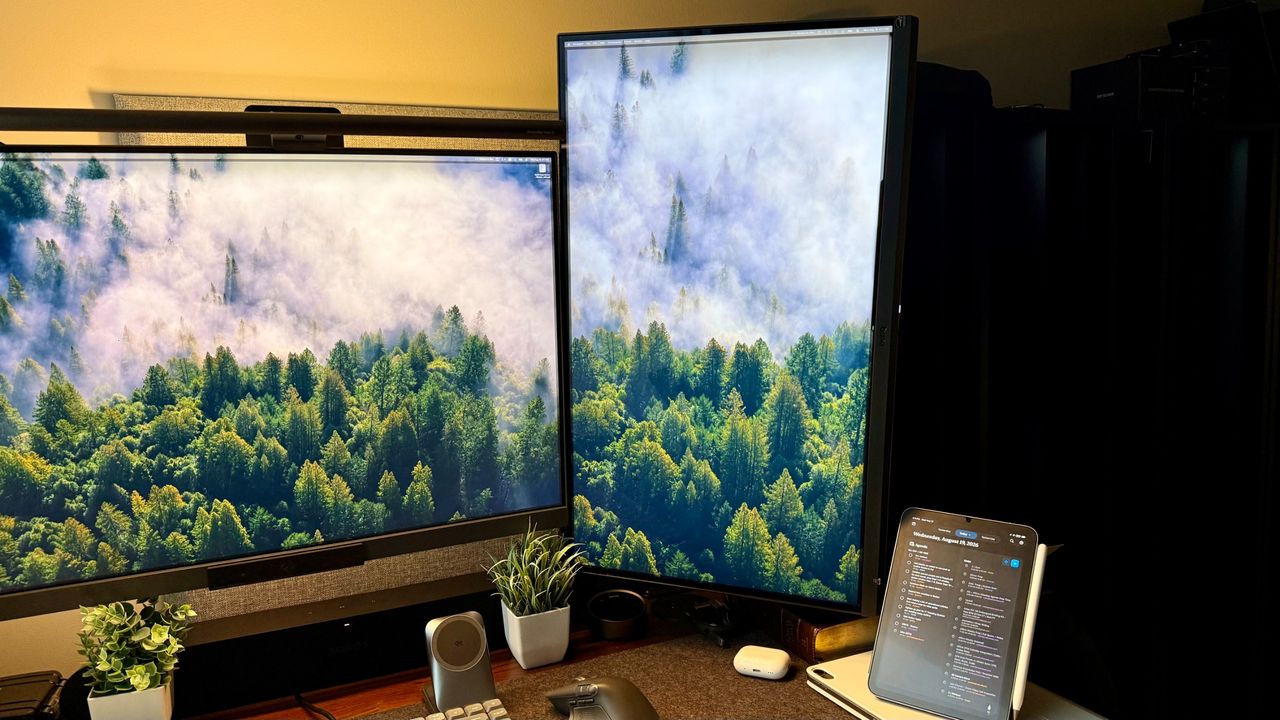
I Waited 166 Days to Confirm: This $5K Monitor Just Broke the Apple Monopoly
The tech community has been holding its breath for over five months, and the wait has finally paid off with a revelation that is shaking the foundations of the high-end display market. After an exhaustive 166-day stress test, the BenQ MA270S has emerged not just as a competitor, but as a superior alternative to the premium 5K displays that have long held a stranglehold on professional creative workflows. This isn't just a review; it's a declaration of independence for creators who refuse to pay the Apple tax for basic color accuracy and resolution.
Trends across global tech forums and the Bluesky feed have exploded since the first snippets of this long-term analysis began circulating. Users are dissecting every frame of the testing process, noting how the MA270S handles sustained high-load rendering tasks without the thermal throttling or input lag that plagues many of its rivals. The viral chatter isn't just about specs; it’s a collective sigh of relief from designers and video editors who have been locked out of affordable 5K real estate, now seeing a credible, budget-friendly path to professional-grade visual fidelity.
The narrative driving this viral spike is rooted in the sheer value proposition that has caught the attention of bargain hunters and professionals alike. In an era where flagship gadgets are becoming prohibitively expensive, the BenQ MA270S represents a massive shift in the 'viral gadget' landscape, offering Mac Studio Display-level performance at a fraction of the cost. This breakthrough has triggered a wave of 'breaking tech deals' excitement, with social media influencers aggressively pushing the narrative that the era of overpriced premium monitors is officially over.
As the full review details hit the mainstream, the impact is already being felt in the secondary market and new purchase trends. Creators are swapping out their aging 4K panels for the MA270S, citing the 166 days of rigorous data as the definitive proof that compatibility and performance no longer require a Cupertino logo. This isn't just a product launch; it's a paradigm shift in the creator economy, signaling that high-fidelity visual work is finally becoming accessible to everyone, not just the top 1% of earners.