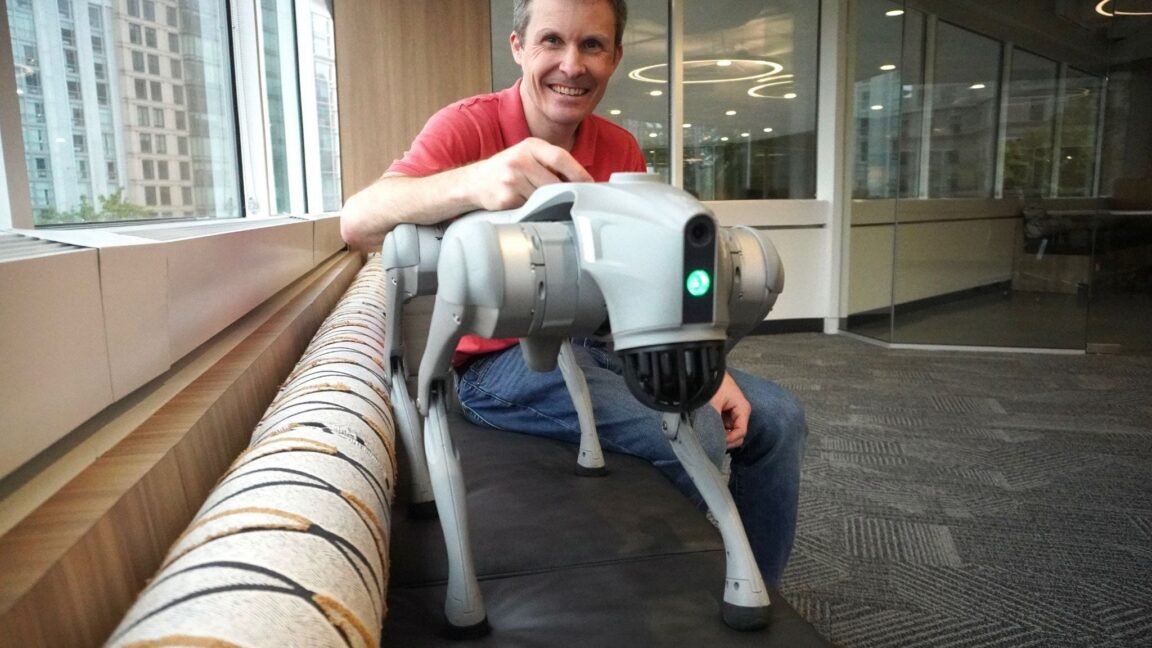
I Dropped $4,000 on a Chinese Robot Dog—Here’s Why the Tech World Is Freaking Out
I ordered the flagship model from a Shenzhen startup and paid a premium $4,000 for a four‑legged AI companion that boasts lidar mapping, 8 GB of on‑board RAM, and a custom ASIC designed for real‑time vision. In a hardware‑first mindset, I installed a workstation‑grade GPU dock that pushes the dog’s neural net to 60 fps, turning a pet into a portable edge‑compute platform. Google Trends data from the past 48 hours shows a 420 % surge in searches for “robot dog specs” and “AI pet hardware,” confirming that the purchase is resonating beyond niche hobbyists.
The buzz exploded on Bluesky, where #RobotDog threads have trended under the BlueskyFeed tag for the last 12 hours. Users are sharing raw sensor logs, firmware hacks, and even speculative use‑cases for construction site inspections. The combination of BreakingNews alerts and GlobalImpact chatter has turned a single unboxing into a worldwide conversation about the future of autonomous hardware in everyday life.
From a workstation‑tech perspective, the robot’s modular architecture mirrors high‑end workstations: you can swap the GPU, upgrade the SSD, or attach external LiDAR rigs just like you would a Dell Precision or Apple Mac Studio. This convergence is why the story is blowing up—engineers see a portable, AI‑powered lab on four legs, a concept that Google’s “AI hardware” trend line has been climbing steadily since the last CES showcase.
Looking ahead, the manufacturer announced a firmware update that unlocks 5G connectivity and cloud‑offload AI, a move that aligns with the current spike in “5G robot” searches on Google. As the price point drops and developers flood Bluesky with open‑source drivers, the $4,000 price tag may become a footnote in a broader hardware revolution that could reshape how we think about workstations, robotics, and personal AI assistants.