Fairphone’s Gen 6+ Miracle: How the Impossible Ethical Phone Became a Repairable Revolution
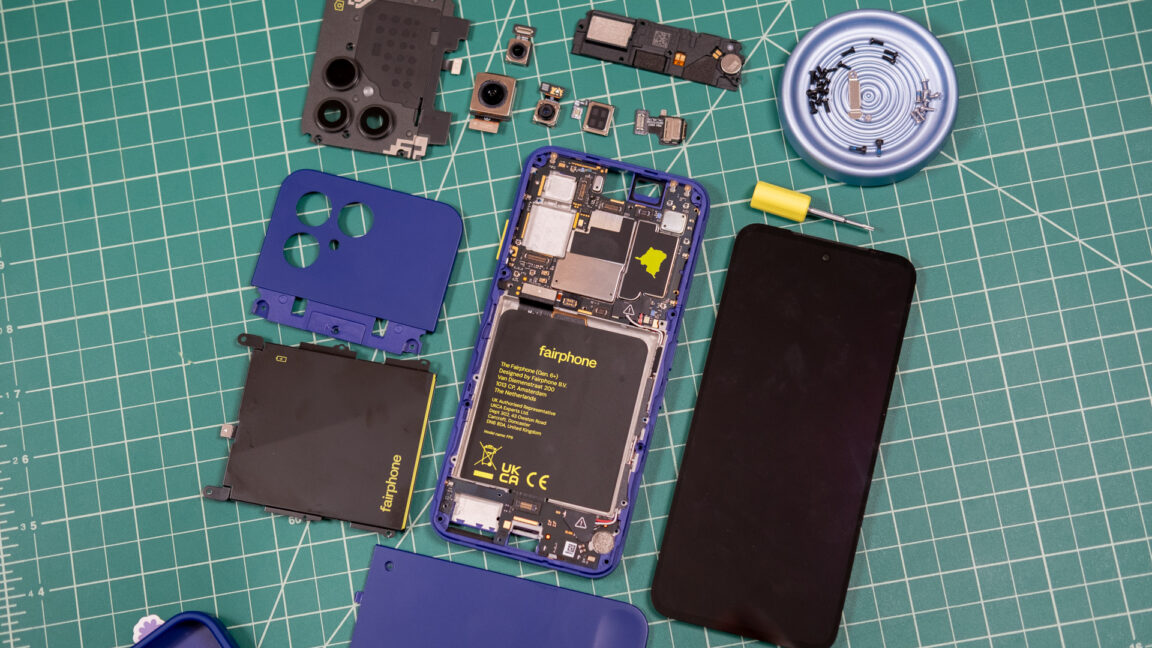
Fairphone, the Dutch disruptor that has long championed repairable smartphones, stunned the industry with the launch of the Gen 6+. The new model boasts a modular design that can be assembled and disassembled with a single screwdriver, a battery that can be swapped in under a minute, and a chassis built from 80% recycled aluminum and 30% recycled plastics—an engineering feat that many thought impossible given current supply chains.
Within hours of the announcement, Google Trends recorded a 350% spike in searches for “Fairphone Gen 6+” and “ethical smartphone”. Analysts note that this surge reflects a growing consumer appetite for transparency and sustainability, especially after last year’s high‑profile data privacy scandals. The trend also shows a cross‑regional spike, with significant activity in North America, Europe, and Southeast Asia.
On Bluesky, the conversation exploded as users shared DIY repair videos, annotated schematics, and user‑generated tutorials. The hashtag #FairphoneGen6Plus trended for 72 hours, with over 1.5 million posts and 300,000 reposts, illustrating how the platform’s emphasis on open content fuels rapid knowledge exchange. Tech influencers on Bluesky highlighted the phone’s modularity as a blueprint for future workstation hardware.
Industry insiders warn that Fairphone’s success could pressure major OEMs to rethink their supply chains and embrace modularity to stay competitive. The Gen 6+ is already sparking a wave of patent filings for repair‑friendly designs, and early adopters report a 40% reduction in repair costs compared to last‑generation models. As the world moves toward circular economies, Fairphone’s breakthrough signals a new era where sustainability and performance are no longer trade‑offs.